
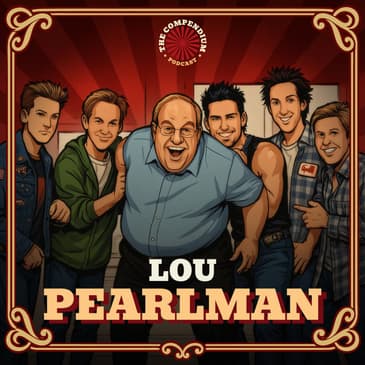
Lou Pearlman created the Backstreet Boys and *NSYNC, then used their success to sell a fantasy empire built on forged documents and borrowed money. Behind the platinum records was one of America’s longest-running Ponzi schemes, leaving performers and ordinary investors to pay for his ambition.
Few people shaped late-1990s pop as decisively as Lou Pearlman. He understood that a group of carefully selected personalities, trained relentlessly and marketed to teenagers, could become a global business. The Backstreet Boys and *NSYNC proved him right, selling millions of records and defining an era of choreography, coordinated outfits and screaming arenas.
Pearlman’s real talent was not music. He was a salesman who could make people feel they had been invited into something enormous. That ability brought young performers into punishing contracts and persuaded families, retirees and banks to invest in businesses that barely existed. The boy-band empire and the Ponzi scheme were not separate stories; each made the other look credible.
What Happened in the Lou Pearlman Scandal?
Pearlman grew up in Queens, fascinated by aviation and show business. He later built a blimp company and presented himself as a successful airship entrepreneur. The business generated publicity and access to entertainers, but it also established a pattern: grand claims, complicated corporate structures and assets that were difficult for outsiders to verify.
After seeing the success of New Kids on the Block, Pearlman decided to create his own boy band. He held auditions in Orlando and assembled the Backstreet Boys in 1993. He funded rehearsals, vocal coaching and accommodation while the group performed relentlessly at schools and shopping centres. European audiences embraced them before the United States did, and the slow investment eventually produced one of the best-selling groups in pop history.
Pearlman then did something the Backstreet Boys found extraordinary: he created a direct competitor. *NSYNC followed a similar formula and quickly became another international phenomenon. He went on to develop O-Town, LFO and other acts. To the public he was “Big Poppa”, the generous impresario who treated performers like family. The contracts told a different story.
Members of the Backstreet Boys spent years touring and selling records before receiving their first meaningful cheques. They discovered that Pearlman was being paid as manager and producer while also taking a share resembling that of an additional band member. The group sued him in 1998, alleging that the arrangement had diverted millions. *NSYNC later fought its own legal battle to leave Pearlman and Trans Continental, arguing that he had misrepresented their deal and taken an excessive share.
The artists’ lawsuits exposed exploitation, but Pearlman’s larger financial fraud continued. Through Trans Continental Airlines and related companies, he offered an investment product called the Employee Investment Savings Account. Sales agents told investors their money was protected and connected to a profitable aviation business. Pearlman produced convincing-looking statements and claimed backing from institutions that had not provided it.
Much of the airline empire existed mainly on paper. Pearlman used forged financial records and fictitious accounting firms to reassure banks and investors. New money paid returns and withdrawals for earlier participants, the defining structure of a Ponzi scheme. Celebrity photographs, offices and the visible success of the bands made the operation feel safer than an anonymous investment pitch.
Thousands of people invested, often rolling over retirement savings because they trusted Pearlman or the local agents selling his products. The scheme lasted for years because enough new money kept arriving and because Pearlman responded to questions with more documents, more confidence and more spectacle. The very scale of his public success discouraged people from asking how the underlying businesses earned their profits.
By 2006 regulators and banks were closing in. Investigators found enormous discrepancies and companies that could not support the debts attached to them. Pearlman left the United States and travelled through Europe before being arrested in Indonesia in 2007. He was returned to Florida and pleaded guilty to conspiracy, money laundering and making false statements during bankruptcy proceedings.
In 2008 a federal judge sentenced Pearlman to 25 years in prison. The judge offered a highly unusual incentive: the sentence could be reduced for money recovered for victims, but little was ultimately restored. Estimates of the losses ran into hundreds of millions of dollars. Many victims lost life savings, while the pop stars whose fame had helped legitimise Pearlman’s image spent years disentangling their careers from him.
Pearlman died in federal custody in 2016 at the age of 62. His legacy remains contradictory. The performers he assembled changed popular music, and some have acknowledged that he created opportunities they might never otherwise have received. That does not cancel the predatory contracts, financial deception or allegations from some young men that his behaviour crossed further boundaries. Success and abuse can exist in the same story.
Why This Story Matters
The Pearlman story shows how visible success can conceal financial emptiness. Investors saw platinum records, famous clients and aviation branding, then assumed the private balance sheets must be equally impressive. Fraud thrives when reputation becomes a substitute for verification. The more extraordinary the public achievement, the harder it can feel to ask ordinary questions.
It also exposes the vulnerability of young performers. Members of boy bands were often teenagers or barely adults, separated from home and told that years of unpaid work were the price of future fame. Pearlman controlled housing, training, management and contracts, blurring the line between benefactor and employer. Calling himself family made challenging him feel like betrayal.
The music industry frequently celebrates the person who “discovers” talent while overlooking the labour of the performers themselves. Pearlman did identify a market and assemble successful teams, but singers, dancers, producers and songwriters built the records and shows. His contracts allowed him to turn their work into evidence of his own genius and then use that image to attract more money.
There is a broader lesson about scams. Pearlman did not present victims with something obviously ridiculous. He mixed real achievements with false claims. The bands existed, the hits were genuine and some early investors received returns. As we follow the money, those true elements become camouflage for invented assets and fabricated accounts.
We revisit Lou Pearlman because the pop songs remain joyful even when the business behind them was not. Understanding the machinery does not erase the music; it restores the people whose work and trust were exploited. The harmonies were real. The empire supporting them was largely a performance.
Topics Include
How Lou Pearlman assembled and trained the Backstreet Boys
Why he created *NSYNC as a rival to his first successful group
The contracts that led both bands to sue their manager
Trans Continental Airlines and the fictitious investment programme
How celebrity success helped sustain a massive Ponzi scheme
Pearlman’s flight, arrest, conviction and 25-year sentence
Resources and Further Reading
The Boy Band Con: The Lou Pearlman Story - Lance Bass
“Dirty Pop: The Dark Side of Lou Pearlman” - Netflix Mini Series
“The Ponzi Scheme Behind Backstreet Boys and NSYNC” - ABC News