
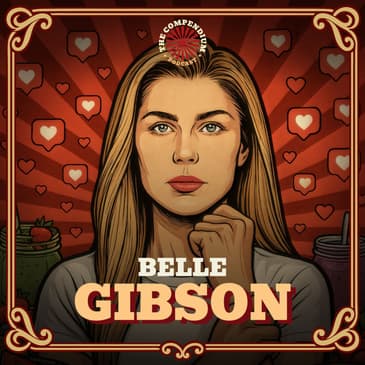
Belle Gibson built a wellness empire by telling followers that she had terminal brain cancer and had beaten it with food, positivity and alternative therapies. The story made her famous. The truth made her one of Australia’s most notorious influencer scandals.
Long before every algorithm had a wellness guru attached to it, Belle Gibson understood the currency of a perfectly told online story. Her posts offered everything social media was primed to reward: a young mother, a frightening diagnosis, beautiful food, determination and an uplifting message that a disciplined lifestyle could do what doctors could not. It was comforting, visually polished and, as the story grew, enormously profitable.
We are diving into the Belle Gibson fake cancer story not to gawp at a lie, but to understand how a claim with such enormous consequences was able to travel so far. This is a story about the early influencer economy, the seductive certainty of wellness culture and the people who asked the questions that a growing audience, powerful brands and major publishers did not ask soon enough.
What Happened with Belle Gibson and The Whole Pantry?
Belle Gibson became known in Australia through social media, where she described a supposed diagnosis of terminal brain cancer and her decision to reject conventional treatment. In its place, she promoted a restrictive, natural-living approach that drew from the wider world of alternative wellness. Her account did not simply suggest that food made her feel better. It presented lifestyle choices as the reason she was still alive.
That claim gave The Whole Pantry its emotional engine. The app and later cookbook mixed recipes, wellness advice and Belle’s personal narrative into a product that felt intimate rather than commercial. Followers did not see just another recipe app. Many believed they were being invited into the daily life of somebody surviving against impossible odds. The timing helped too: smartphone apps and Instagram-style personal branding were rapidly becoming part of ordinary life, while the wellness industry was learning how powerfully personal testimony could sell an idea.
Her following expanded, media profiles followed, and major companies became involved in plans around The Whole Pantry. Belle also said that money connected to the business would be donated to charity. On the surface, it looked like a feel-good success story: a young Australian entrepreneur using her frightening experience to build a helpful community and give back. But the details behind the account did not sit comfortably with everyone around her.
We trace the strands that began to unravel the story. There were questions about the medical language Belle used, questions from people close to her, and questions about the charities named in connection with her fundraising. At first, those questions could be dismissed as scepticism aimed at a popular woman on the internet. But journalists Beau Donnelly and Nick Toscano began checking the public claims rather than simply repeating them. Their reporting did not depend on one dramatic revelation. It followed a paper trail, or the absence of one.
That distinction matters. A health claim can feel convincing because it has been repeated beautifully, but repetition is not evidence. The Belle Gibson scandal turns on the gap between a compelling story and independently verifiable facts. When charities were contacted, several said they had not received the donations that had been associated with The Whole Pantry. As public scrutiny intensified, the businesses around the brand began to face their own questions about what they had checked and what they had accepted.
The cancer claim was even more sensitive. We approach it carefully because cancer is not a plot device and alternative-health misinformation does real harm. Gerson Therapy and similar regimes often promise control at a time when people are terrified, but they are not a replacement for evidence-based cancer treatment. Belle’s story was powerful precisely because it offered an answer that sounded hopeful, simple and personal. That is also why it was so dangerous.
As the public narrative collapsed, Belle made changing explanations about aspects of her story. We take you through the key reporting, the media response and the awkward reckoning for the companies that had amplified her. The full sequence is worth hearing rather than reducing to a neat list of twists: the real tension is in how long a public myth can survive once people start asking basic, documentable questions.
Why This Story Matters
The Belle Gibson case is not only a fake cancer scam story. It is an early, startling example of the influencer model working exactly as designed. Personal authenticity became the product. A follower did not need to trust a distant institution; they only needed to trust the woman in their phone. That dynamic has only become more familiar, which makes the story feel less like a relic of the 2010s and more like a warning that arrived early.
It also forces an uncomfortable look at gatekeeping. Brands, publishers and media organisations benefit when an inspirational story attracts attention, but attention is not due diligence. Consumer Affairs Victoria later brought legal action over misleading and unconscionable conduct relating to The Whole Pantry. The legal outcome matters, but so does the wider question: who checks extraordinary health claims before they are packaged as lifestyle advice for a vast audience?
Most importantly, this story belongs alongside conversations about health misinformation. People facing serious illness deserve compassion, reliable information and choices grounded in evidence. They do not deserve to be sold certainty through an immaculate feed. We keep the last, messiest chapters for the podcast, including the efforts to hold Belle accountable and the complications that followed.
It is a useful reminder for all of us online: the more emotionally perfect a health story appears, the more important it is to pause. Ask what is being claimed, who benefits from it, and whether the evidence exists away from the platform that is selling the feeling.
Topics Include
Belle Gibson’s false cancer claims and the rise of The Whole Pantry
The early influencer economy and wellness-industry marketing
Gerson Therapy, alternative medicine claims and health misinformation
Charity fundraising claims and the reporting that challenged them
Apple, publishing, media responsibility and influencer due diligence
The legal fallout and the lasting lessons of the Belle Gibson scandal
Resources and Further Reading
The Woman Who Fooled The World – by Beau Donnelly & Nick Toscano
60 Minutes: The Belle Gibson Interview – Hosted by Tara Brown
An honest account of our experience with Belle Gibson - Cosmo