
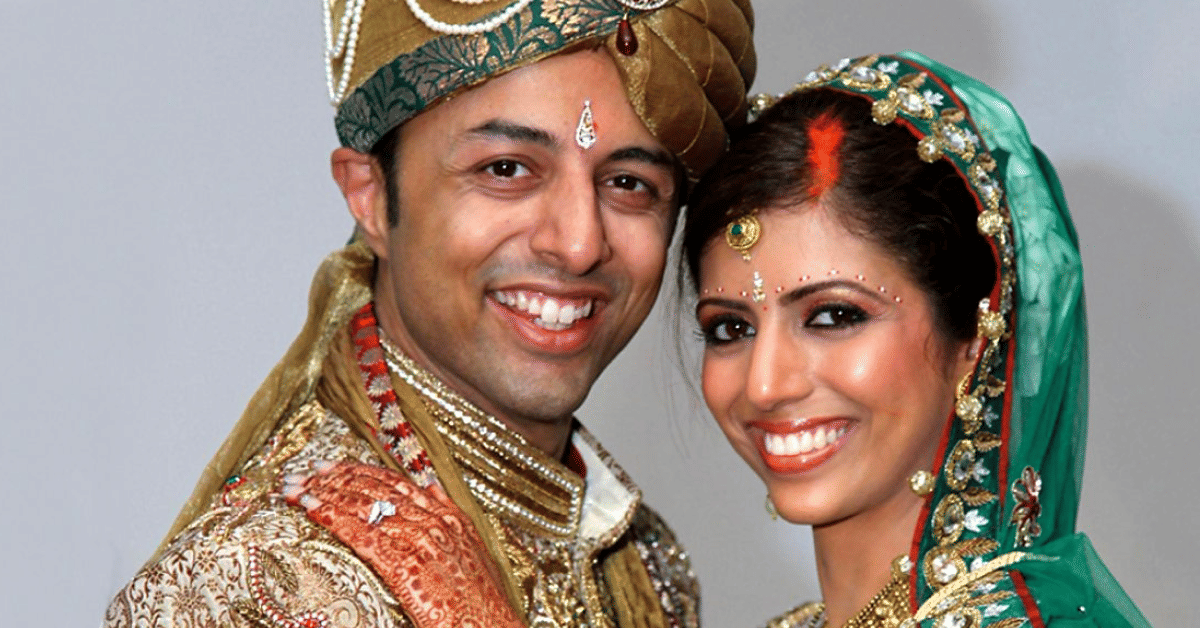
A Honeymoon Stained by Blood
In November 2010, a glamorous young couple flew to Cape Town for what should have been the perfect start to married life. Instead, the world woke up days later to headlines about a honeymoon murder in one of South Africa’s most luxurious settings. The bride, Anni Dewani, was found dead in the back of a taxi, and the groom, Shrien Dewani, quickly became the central suspect.
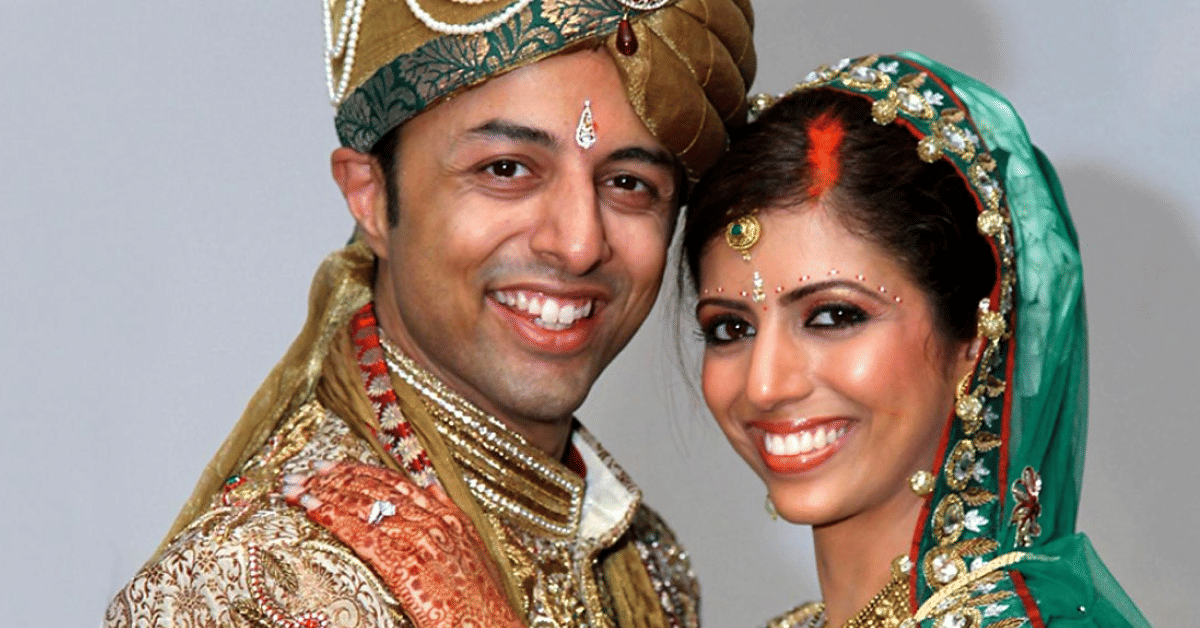
What followed was a sensational trial, rife with CCTV footage, plea bargains, and questionable forensic evidence, that turned into a global tabloid frenzy. At the heart of it all was a bigger, uglier question: was this really about one man’s motive to kill his wife, or was South Africa desperate to protect its reputation after hosting the World Cup?
This is the story of the Anni Dewani murder, how a holiday in paradise became a nightmare, and why the truth may never be as neat as the headlines promised.
Who was Anni Dewani?
Anni Hindocha, later Anni Dewani, was born in Sweden to a close-knit Indian family. She was the sort of person who could light up a room — strikingly beautiful, ambitious, and academically gifted. With a degree in engineering and a promising career at Ericsson, she was also deeply rooted in family values.
She met Shrien Dewani, a wealthy British businessman, in late 2009. Within six months they were engaged. The romance was whirlwind-fast and spectacular: by October 2010, they were married in a lavish Bollywood-style wedding in Mumbai that cost more than £150,000. For outsiders, it was a fairy tale. But behind the smiles and sequins, Anni was already confiding in friends that she felt uneasy — her new husband, she said, was controlling, stiff, and difficult. Within days of the wedding, she even whispered the word divorce.
What happened on the Dewanis’ honeymoon?
The newlyweds travelled first to the Kruger National Park for a luxury safari, before flying to Cape Town on November 12, 2010. They checked into the opulent Cape Grace Hotel, perched on the waterfront with Table Mountain views. It should have been idyllic.
But within 30 hours of landing in Cape Town, Anni was dead. On November 13, the couple’s taxi was allegedly hijacked in the township of Gugulethu. Shrien was forced out of the vehicle, while Anni was driven away. Hours later, her body was found in the back seat with a single gunshot wound.
South African police wasted no time. Within days, they claimed it was no random carjacking. They alleged that Shrien Dewani had arranged his wife’s murder — a contract killing dressed up as a hijacking.

How did Anni Dewani die?
The official version is brutal in its simplicity: two gunmen ambushed the taxi, took control of the car, and murdered Anni with a single bullet to the neck. The alleged weapon was later recovered, and witnesses came forward.
But even the most basic forensic evidence raised questions. Was the crime scene handled properly? Were the fingerprints reliable? Why did key pieces of evidence go missing or get muddled in police custody? By the time the case reached court, the forensic backbone of the prosecution’s story looked more like a skeleton held together with sticky tape.
What evidence was used against Shrien Dewani?
Prosecutors claimed to have a damning web of proof:
CCTV footage showing Shrien speaking with their taxi driver, Zola Tongo, on the day of the murder.
Phone records allegedly linking him to the killers.
Cash exchanges, supposedly for the hit.
And most significantly, the testimony of the gunmen themselves.
But here’s the catch: every one of the men who testified against Shrien — the taxi driver, the middleman, and the gunman — cut a plea bargain in exchange for reduced sentences. The only man who didn’t (because he pulled the trigger and was sentenced to life regardless) flatly refused to say Shrien was involved.
If you were writing a crime drama, this would be the bit where the audience groans and mutters: ah, so it’s all built on dodgy deals.

Why was Shrien Dewani acquitted?
By the time the case went to trial in 2014, four years after Anni’s murder, the prosecution’s argument was already wobbling. Their star witnesses contradicted themselves. Timelines didn’t add up. The alleged cash trail evaporated. And the CCTV footage, far from proving a conspiracy, could just as easily show Shrien arranging taxi tours.
The judge was scathing. The evidence, she ruled, was “riddled with contradictions.” Forensic handling was sloppy. The police, she suggested, had been more interested in a quick conviction than in actual justice. And so, Shrien Dewani walked free.

What about Shrien Dewani’s alleged motive?
Police in South Africa painted a lurid picture: Shrien was secretly gay, trapped in an arranged marriage, and desperate to be free. Kill the bride, problem solved.
It made for great headlines — and conveniently played into lazy stereotypes. But was it true? Yes, Shrien later admitted to past relationships with men, but no, this wasn’t an arranged marriage. Anni and Shrien had met and chosen each other. Her doubts about him were real, but the “arranged marriage” angle was media invention.
The “closeted husband kills wife” theory stuck because it was tidy. Real life, as usual, was far messier.
Was South Africa protecting its image?
This is where the story zooms out. Just months before Anni’s murder, South Africa had hosted the 2010 FIFA World Cup. It was a roaring success, a chance for the country to present itself as safe, modern, and welcoming. Tourism boomed. The last thing it needed was a honeymoon murder splashed across every newspaper in the world.
So, was Shrien Dewani a convenient scapegoat? Pin the crime on the wealthy foreigner, prove South Africa is “tough on crime,” and reassure tourists. It’s not hard to see why conspiracy whispers spread. Especially in a country ranked among the most corrupt in the world, where police bribery and bungled investigations are depressingly routine.
Anni Dewani case explained: what do we really know?
If you strip away the headlines and the plea bargains, here’s what remains:
Fact: Anni Dewani was murdered on her honeymoon in Cape Town on November 13, 2010.
Fact: The taxi driver and gunmen confessed, but only after plea deals.
Fact: Shrien Dewani was charged, but acquitted for lack of reliable evidence.
Fact: Anni’s family is still left without justice.
And beyond those facts? Shadows, contradictions, and a nagging sense that the truth slipped through the cracks of corruption and incompetence.
Why does the Anni Dewani case still matter?
Because it’s not just the story of one tragic honeymoon. It’s a prism through which to see bigger truths: how justice can be warped by corruption, how media narratives lean on stereotypes, and how a country’s global image can matter more than the grief of a murdered woman’s family.
For South Africa, the case revealed how thin the World Cup gloss really was. For the UK, it was a reminder that money, privilege, and narrative can shape justice as much as evidence. And for Anni’s family, it was — and still is — a wound that never healed.
Conclusion: The Legacy of Anni Dewani
Anni Dewani’s story is both devastatingly simple and maddeningly complex. A young woman went on honeymoon and never came home. Her husband stood accused, then acquitted. The men who admitted involvement struck deals. The police floundered. And somewhere in the chaos, the truth blurred.
We may never know for sure whether Shrien Dewani orchestrated his wife’s death, or whether he was the victim of a broken system desperate for a culprit. What we do know is that Anni was failed — by her husband, by the authorities, and by the justice system meant to protect her.
Her case is a cautionary tale about love, lies, and the corrosive effect of corruption. And it remains one of the most haunting crimes of the 21st century.
What happened to Anni Dewani?
Anni Dewani was murdered on her honeymoon in Cape Town in November 2010. She was found shot dead in the back of a taxi after what was initially described as a hijacking.
How did Anni Dewani die?
Anni was killed by a single gunshot wound while in the back seat of a hijacked taxi. Two gunmen later confessed to their roles in the killing.
Why was Shrien Dewani acquitted?
Shrien Dewani was acquitted in 2014 because the prosecution’s case was riddled with contradictions, unreliable witness testimony, and poor forensic handling. The judge ruled there was no credible evidence linking him to the murder.
Where did the Anni Dewani murder happen?
The murder took place after the Dewanis left the Cape Grace Hotel in Cape Town. The hijacking occurred near Gugulethu township, an area notorious for violent crime.
What was Shrien Dewani’s alleged motive?
Prosecutors suggested Shrien wanted out of his marriage, citing his secret relationships with men. However, the court found this motive speculative and not supported by evidence.
Has anyone been convicted in the Anni Dewani case?
Yes. The gunman who fired the fatal shot received a life sentence. Other accomplices, including the taxi driver, received reduced sentences through plea bargains.
Related Episodes
Unabomber Part 1: The Biggest Manhunt in FBI History
Before Ted Kaczynski was a name on the news, the Unabomber was an anonymous figure who could vanish for years and return with a more lethal device. Part One follows the hunt from the first 1978 package bomb to the manifesto that finally made his anon...

Unabomber Part 2: The Manifesto That Exposed Ted Kaczynski
Ted Kaczynski stayed hidden for 17 years, but the manifesto he believed would justify his crimes ultimately revealed him. Part Two follows the man behind the Unabomber from Harvard and the Montana wilderness to his arrest, legal battle and guilty ple...

Aileen Wuornos: The Murders, the Self-Defence Claims and the Woman Behind Monster
Aileen Wuornos admitted killing seven men, but spent years changing the explanation for why she did it. Behind the woman portrayed in Monster lies a complicated story of trauma, murder, contradictory confessions and a first killing that remains centr...

Lizzie Borden: Did She Get Away With Murder?
In 1892, two people were hacked to death in a respectable Massachusetts home, and the only real suspect walked free after a trial that still divides opinion. Kyle and Adam dig into the evidence, the myths, the rhyme that got the numbers wrong, and th...

Nasubi: The Real Life Truman Show
An aspiring comedian enters a sweepstakes challenge and unknowingly becomes one of Japan’s biggest television stars. Nasubi’s 15-month ordeal reveals how an unlocked door, an unseen audience and a desperate hope for fame can turn entertainment into e...

The Tromp Family Mystery: The Australian Family Who Fled Their Own Minds
In 2016, five members of the Tromp family fled their farm in a single car, leaving behind their passports, credit cards and mobile phones. Why they fled remains one of Australia's greatest modern mysteries—a mystery that not even the Tromp family can...

MKUltra: The Dark History of CIA Mind Control and Frank Olson
MKUltra was the CIA’s secret Cold War programme built around drugs, hypnosis, interrogation, and the dream of controlling the human mind. This episode follows Frank Olson, LSD testing, Operation Midnight Climax, Donald Ewen Cameron, destroyed files, ...

Genie Wiley: Dark History of the Child Hidden From the Whole World
Genie Wiley was the child hidden from the world for thirteen years before her rescue became a test case for language, trauma, and the ethics of scientific research. This episode follows her abuse, rehabilitation, and the systems that failed her after...

Somerton Man: The Mystery Given a Name After 70 Years
Somerton Man is one of Australia’s most enduring mysteries: an unidentified body found on Somerton Beach in Adelaide in 1948, a hidden scrap of paper reading “Tamám Shud”, and a trail of clues that only got stranger.

Bob Lazar: The Area 51 UFO Claim That Changed Everything
Bob Lazar claimed he worked at Area 51’s hidden S-4 facility reverse-engineering alien craft powered by Element 115. This episode follows the 1989 George Knapp broadcast, Lazar’s story, the credibility questions and the UFO lore it helped send mainst...